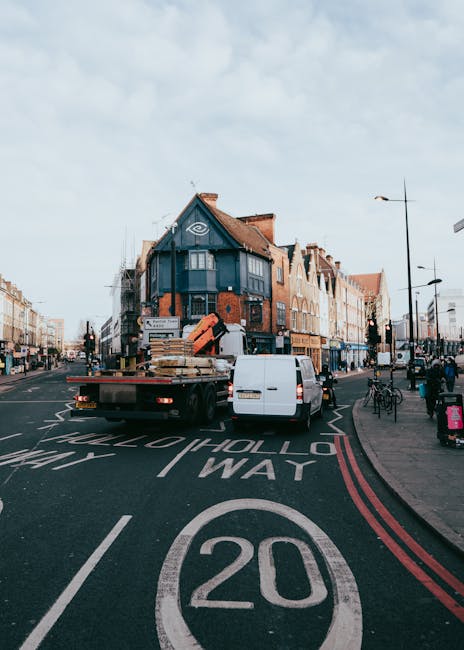
Bexleyheath High St to Crook Log: smooth local move tips for a calmer, faster local move
Moving from Bexleyheath High St to Crook Log sounds simple on paper. It's a local hop, not a cross-country expedition. But anyone who has shifted a full household a short distance knows the truth: local moves can still be messy, tight on time, and oddly exhausting. One awkward parking spot, one bulky sofa, one poorly packed box of plates, and the day can start to wobble.
This guide brings together practical Bexleyheath High St to Crook Log: smooth local move tips that help you plan properly, protect your belongings, and keep the move day feeling manageable. You'll find step-by-step advice, local moving considerations, a comparison of common move methods, and a checklist you can actually use. If you want a move that feels organised rather than chaotic, you're in the right place.
And yes, even a short local move benefits from a proper plan. Especially one with furniture, awkward staircases, or the kind of last-minute surprises that show up at 8:15 on a Saturday morning. Let's get it sorted.
- Why this local move matters
- How the move typically works
- Key benefits of planning it well
- Who this is for
- Step-by-step moving guidance
- Expert tips for a smoother day
- Common mistakes to avoid
- Tools and resources
- Best practice, safety and compliance
- Methods compared
- Real-world example
- Practical checklist
- Conclusion
- Frequently asked questions
Why Bexleyheath High St to Crook Log: smooth local move tips Matters
A local move between Bexleyheath High Street and Crook Log can look deceptively easy because the distance is short. But shorter journeys often create a different type of pressure. You may have a tighter schedule, more stopping and starting, and less room for error if you're moving on the same day you hand over keys, collect children, or start work the next morning.
That's why local move planning matters. The route may be brief, but the logistics still need attention: access, loading, packing order, fragile items, parking, and timing. If you live in a flat, have a narrow hallway, or need to move heavier items like a bed, piano, or large fridge-freezer, the whole process gets more delicate very quickly.
There's also a simple emotional point here. A move is not just boxes in a van. It's disruption to your routines, your kettle, your Wi-Fi, your own bed. A well-run local move gets you back to normal faster, which is the bit everyone really wants, even if they don't say it out loud.
If you're aiming for a truly organised move, a useful place to start is this guide to a stress-free house move, which covers the wider planning mindset that supports a smoother day.
How Bexleyheath High St to Crook Log: smooth local move tips Works
The basic idea is straightforward: you reduce friction before move day, then keep the loading and unloading process clean and efficient. In practice, that means breaking the move into manageable parts instead of treating it like one giant task.
First comes sorting and decluttering. You decide what's going, what's staying, and what should be stored, sold, donated, or recycled. Then packing. Not all boxes are equal, by the way. A box full of books is a different beast from a box of cushions or kitchen items. After that comes loading, where the order in the van matters more than people think. Heavy, stable items go in first; fragile and awkward items are secured properly; essentials are kept accessible.
Finally, there's the destination side. If Crook Log access is tighter than expected, or if you're going into a flat with stairs, you need someone on the receiving end ready to direct boxes and furniture into the right rooms. A move can feel much easier when each person knows the next step before it happens.
To be fair, the whole process is less about strength and more about sequence. If the sequence is right, the day feels surprisingly calm. If it's wrong, even a small move can drag on.
Key Benefits and Practical Advantages
Planning a move properly gives you more than peace of mind. It gives you control over the day itself.
- Less time wasted: Boxes are packed in a useful order, so unloading is faster.
- Lower risk of damage: Fragile items, furniture edges, and appliances are handled with care.
- Reduced stress: You are not scrambling to find tape, keys, or the kettle at the last minute.
- Better use of a van: Space is used more efficiently, which can reduce unnecessary trips.
- Cleaner handover: If you're leaving a property, you can finish with a proper clean rather than a rushed wipe-down.
For some people, the biggest benefit is simply avoiding that tired, slightly bewildered feeling that arrives around mid-afternoon when there are still three lamp shades, a mattress protector, and a box marked "misc" staring at you. You know the one.
If you're packing several rooms, the advice in streamlined packing strategies for a successful house move is especially useful because it keeps the packing process practical rather than theatrical.
Who This Is For and When It Makes Sense
This kind of local move guidance is useful for a wide range of people. It is not just for large family homes or big relocations. In fact, local moves often need the most practical planning because people assume they will be easy and then discover the awkward bits too late.
- Families: Especially if you're moving after school drop-off, work, or during a tight handover window.
- Couples and first-time buyers: A local move can be your first real test of packing discipline.
- Renters and flat movers: Stair access, shared entrances, and parking can make a short move feel complicated.
- Students: If you're moving between term-time accommodation and storage, speed and simplicity matter a lot.
- Small businesses: Office equipment, files, and furniture need a tidy, labelled approach.
This also makes sense if you are trying to move quickly, perhaps because keys are changing hands on the same day or because you need temporary storage in between. In those situations, a proper local removal plan is not a luxury. It's the thing that keeps the day from getting away from you.
For smaller or more flexible moves, a man and van service in Crook Log can be a practical option, especially when you do not need a full-scale removal team but still want help with loading and transport.
Step-by-Step Guidance
Here's the part most people actually need: a clear sequence for getting from Bexleyheath High St to Crook Log without needless drama.
1. Start with a room-by-room plan
Walk through each room and decide what is moving, what is staying, and what needs special handling. If something is awkward to carry, heavy, or fragile, mark it early. That way you can plan the van space and the lifting order before anyone turns up with boxes in hand.
2. Declutter before you pack
Do not pay to move things you no longer need. Old cables, broken stools, duplicate cookware, and random "just in case" items all eat time and space. A sharp declutter can make the move noticeably easier. If you want a structured approach, have a look at how to declutter before moving.
3. Gather proper packing materials
Good boxes, tape, wrapping paper, bubble wrap, and labels are not glamorous, but they save headaches. Use sturdy boxes for heavier items and avoid overfilling. A box should be carryable without wobbling. Simple rule, really.
4. Pack by category, not by whatever fits
Kitchen items with kitchen items. Bathroom items together. Books together. Soft furnishings together. You'll thank yourself later when you're not opening five boxes just to find one mug or the spare router cable.
5. Prepare furniture and appliances properly
Remove loose shelves, empty drawers where necessary, and secure doors if they could swing open. Fridge-freezers and freezers need particular care, especially if they're being moved or temporarily stored. If that applies to your move, read getting a fridge freezer set up and storage tips for a freezer when not in use for practical guidance.
6. Measure access at both ends
Doorways, stair turns, lift sizes, parking points, and hallway widths can all affect the move. If a sofa barely clears the corner at Bexleyheath High St, it will still barely clear it at Crook Log. Measure once and save yourself the guesswork.
7. Keep essentials separate
Pack one clearly marked essentials box or overnight bag with chargers, toiletries, tea bags, bin bags, toilet roll, basic tools, and a change of clothes. You do not want to be searching through packing paper for a toothbrush at 10:30pm.
8. Load the van in the right order
Heavy and sturdy items go in first. Softer items can fill gaps. Fragile items should be secured so they cannot shift. If you want to understand how safe lifting and carrying works in practical terms, this lifting and handling guide gives a useful breakdown without overcomplicating things.
9. Unload with room labels
Room labels make a big difference at the destination. The best local moves are not just quick; they are organised on arrival. Put boxes in the room they belong in and save the reshuffling for later, not mid-drop-off.
10. Finish with basic clean-up and checks
Before you hand over keys, check cupboards, windows, meters, and floors. A proper final sweep avoids those awkward "we left the extension lead behind" moments. If you need help with that final step, move-out cleaning advice can help you stay on top of it.
Expert Tips for Better Results
These are the details that often make the difference between a merely functional move and a genuinely smooth one.
- Use colour coding: A simple colour for each room speeds up unloading more than people expect.
- Protect corners and edges: Furniture corners often get knocked in hallways and tight stairwells.
- Keep screws and fittings together: Tape small bags to the matching item or keep them in one clearly labelled container.
- Leave drawers light where possible: Heavy drawers add awkward weight and can shift unexpectedly.
- Photograph cable setups: A quick phone picture saves you from the "which lead went where?" puzzle later.
- Think about weather: Rain, cold, or a gusty afternoon can affect loading pace and floor protection. A damp box is nobody's friend.
One overlooked tip: if you have a sofa, mattress, or bed frame to move, check the route from the property to the van before move day. It sounds obvious, but it's surprising how many people only discover a tight staircase or awkward doorstep once everything is already wrapped. For more detail, see avoiding pitfalls when moving your bed and mattress and sofa storage recommendations if items are staying stored for a while.
If you are moving something especially delicate or heavy, such as a piano, it is worth treating that item as a separate project rather than "just another box". There's a reason specialist handling exists. The article on the expertise required for a successful piano move explains why the right preparation matters so much.
Common Mistakes to Avoid
Most moving problems are not dramatic accidents. They are small planning errors that build into bigger delays.
- Underestimating the packing time: One room always takes longer than you think. Usually the kitchen. Of course it is.
- Leaving decluttering too late: Sorting things as you pack slows everything down and creates avoidable stress.
- Using weak boxes for heavy items: Books, plates, and tools can split cheap boxes fast.
- Not checking parking or access: Short local streets can still be awkward for loading if you cannot stop close enough.
- Forgetting essentials: The toothbrush, medication, phone charger, and tea supplies are usually the first things people wish they had not buried.
- Ignoring furniture measurements: A fitted wardrobe or wide sofa can turn a simple move into a puzzle.
Another common mistake is assuming a local move does not need professional help. Sometimes that is true. Sometimes it is not. If you have bulky furniture, limited access, or a same-day handover, using a proper local removal service can save a lot of time and a few sore muscles.
Tools, Resources and Recommendations
You do not need a van full of specialist equipment for every move, but a few practical tools make life easier.
- Strong boxes: Different sizes for books, kitchenware, clothing, and mixed household items.
- Packing tape and dispenser: Cheap tape that fails mid-lift is a classic moving-day annoyance.
- Labels or marker pens: Clear labelling saves time on both ends of the move.
- Furniture blankets and straps: Helpful for protecting edges and keeping items stable in transit.
- Trolley or sack truck: Especially useful for heavier boxes or appliance moves.
- Zip bags for fixings: Ideal for screws, curtain rails, and shelf pins.
For packing supplies, the dedicated packing and boxes page is useful if you want a straightforward way to get organised. If you expect to store some items in between properties, storage in Crook is also worth considering, particularly for furniture you do not need immediately.
If you're comparing moving support, the service overview at services overview can help you decide what level of help fits your move, rather than guessing and hoping for the best.
Law, Compliance, Standards, or Best Practice
For a local move, the legal and compliance side is usually about safety, responsibility, and clear service terms rather than anything overly complicated. Still, it matters.
If a removal company is handling your items, you want to know how they approach insurance, safety, and data handling. It is sensible to read the provider's insurance and safety information and their health and safety policy. If you are giving personal details for quotes or booking, privacy and payment pages should be clear and easy to understand.
Good moving practice in the UK also includes respectful property handling, safe lifting, careful loading, and sensible communication about access issues. If there is a dispute or a service concern, a clear complaints procedure is a sign that the company is willing to be accountable. Likewise, transparent terms and conditions and a clear pricing and quotes process help avoid misunderstandings later. That's just good practice, really.
For businesses or anyone asking broader questions about the company behind the service, the about us page and related policy pages help build trust. Not exciting, perhaps, but very useful.
Options, Methods, or Comparison Table
There is no single right way to move locally. The best method depends on your load, budget, access, and how much lifting you want to do yourself.
| Moving method | Best for | Pros | Trade-offs |
|---|---|---|---|
| Self-move with a hired van | Small loads and flexible schedules | Lower cost, full control | You do all the lifting, driving, and timing |
| Man and van | Local moves, flats, partial loads | Practical, quick, helpful for loading | Less suitable for very large or complex moves |
| Full removal service | Whole-house moves, bulky furniture, tighter deadlines | More support, less stress, better coordination | Usually costs more than a simple van hire |
| Storage plus move | Gap between properties or delayed access | Flexible timing, useful for staging a move | Requires extra planning and possibly more handling |
For many local moves between Bexleyheath High St and Crook Log, the middle ground works best: a man and van arrangement for the practical lifting support, plus good packing and planning from you. If you have a large property, office items, or awkward furniture, a more complete house removals service in Crook Log or furniture removals support may make more sense.
Case Study or Real-World Example
Imagine a typical local move: a one-bedroom flat near Bexleyheath High Street, heading to a new place in Crook Log with a narrow entrance hall and a first-floor layout. Nothing extreme, but enough to trip up a rushed day.
The move starts well because the client has already decluttered a week before. Old books, mismatched kitchen utensils, and a broken bedside table are gone. The remaining items are packed by room, with labels on every box. One essentials bag contains kettle, mugs, charging cables, toiletries, and cleaning bits. Very sensible. Slightly boring, but sensible.
On move day, the sofa is wrapped, the mattress is protected, and the path from the front door to the van is cleared. The loading is ordered so the larger furniture goes in first, and boxes marked "kitchen" and "bedroom" are kept separate. When they arrive in Crook Log, the boxes go straight into the correct rooms. By early afternoon, the client is unpacking instead of hunting for scissors in the boot of a car. That's the difference planning makes.
If the move had included a special item like a piano, the process would have needed additional care and specialist handling. That is where the extra planning really pays off. No surprises, no dragging, no improvising at the kerbside.
Practical Checklist
Use this checklist in the days leading up to the move. It keeps the job manageable.
- Confirm move date, access times, and key handover details
- Measure large furniture and doorways at both properties
- Declutter and separate donations, recycling, and rubbish
- Book boxes, tape, labels, and protective wrapping
- Pack non-essential items first
- Set aside documents, valuables, medication, and chargers
- Defrost and prepare fridge-freezer or freezer if needed
- Disassemble furniture that will not safely move as-is
- Photograph cable setups and furniture fixings
- Protect floors and walls where needed
- Arrange parking or loading access as early as possible
- Do a final sweep of cupboards, lofts, shelves, and outdoor spaces
Expert summary: the smoothest local move is usually the one where packing starts early, bulky items are measured properly, and the loading plan is decided before anybody lifts a box. That's the real secret. Not glamorous, but very effective.
Conclusion
A move from Bexleyheath High St to Crook Log does not need to feel like a major life event. With a sensible plan, clear labels, the right packing materials, and a bit of local know-how, you can keep the day efficient and much less stressful.
The big wins are simple: declutter first, pack with purpose, protect your furniture, and make sure access and parking are thought through before move day. If you do those things, even a slightly awkward local move becomes much easier to manage. And once the kettle is on in the new place, the whole thing starts to feel worth it. Honestly, that first cup of tea changes the mood.
Get a free quote today and see how much you can save.
Frequently Asked Questions
How long does a local move from Bexleyheath High St to Crook Log usually take?
It depends on the amount of furniture, packing readiness, access at both addresses, and whether stairs or parking restrictions are involved. A well-prepared local move can be completed quite efficiently, but delays usually come from access or unplanned packing, not distance.
Do I need a full removal company for a short local move?
Not always. A man and van service can be a great fit for smaller loads, flats, and partial moves. If you have several large furniture items, limited access, or a bigger household, a more complete removal service may be the easier choice.
What should I pack first when moving locally?
Start with anything you do not use every day, such as seasonal items, spare bedding, books, decorations, and less-used kitchenware. Leave daily essentials and last-night items until the end. That way you do not make your own life harder for no reason.
How can I make moving day less stressful?
Declutter early, label boxes clearly, keep an essentials bag, and confirm access details in advance. The most stressful moves are usually the ones where everything is left until the final evening. That is where the pressure builds.
What if my new place in Crook Log has tight stairs or limited parking?
Tell the mover beforehand and measure the access if possible. Tight stairs and awkward parking are common local issues, and they are much easier to handle when everyone knows about them early.
Can I leave food in my fridge-freezer during the move?
Usually, no. Perishables should be used up, given away, or safely disposed of before moving day. If you need guidance on preparing or reinstalling appliances, the fridge and freezer setup articles linked in this guide are worth a read.
Is it worth using storage during a local move?
Yes, if there is a gap between move-out and move-in dates, or if you want to move in stages. Storage can take the pressure off and make the loading process more manageable, especially with bulky furniture.
How do I protect furniture during a short move?
Wrap corners, secure loose parts, use blankets or covers, and keep items from shifting in transit. Short moves still involve bumps, twists, and door frames. The damage usually happens there, not on the road.
What are the biggest mistakes people make on local moving day?
The most common issues are underestimating packing time, forgetting to measure large items, not organising parking or access, and failing to keep essentials separate. These are simple mistakes, but they can cause a lot of avoidable delay.
Can I move a piano or other specialist item locally?
Yes, but specialist items should be handled carefully and often require experienced movers. A piano, for example, is heavy, delicate, and awkward to manoeuvre safely. It is not the sort of thing you want to improvise with.
What should I look for in a local removal service?
Look for clear pricing, sensible communication, insurance and safety information, helpful service options, and a straightforward booking process. Good service should feel organised before the van even arrives.
Do I need to clean the old property before leaving?
Yes, at least a reasonable final clean is a good idea. Empty cupboards, check floors, wipe obvious marks, and remove leftover items. It helps with handover and avoids awkward follow-up messages later.
Where can I learn more about moving services and support in Crook Log?
The most useful next step is to review the relevant service pages, including removals in Crook Log, removal services, and local removal company information. That gives you a clearer sense of the options before you book.