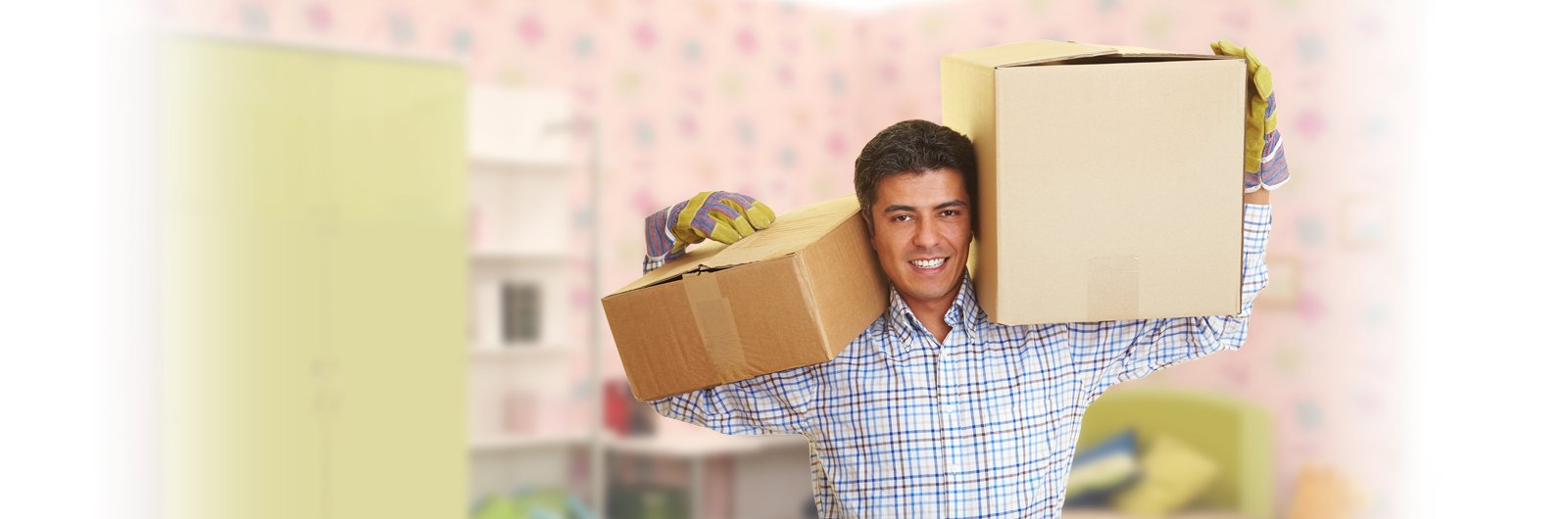
Streamlined Packing Strategies for a Successful House Move
Posted on 15/06/2025
Streamlined Packing Strategies for a Successful House Move
Moving to a new home is an exciting journey--but the process of packing can easily become overwhelming. Whether you're relocating across town or to an entirely new city, applying streamlined packing strategies can make the entire experience smoother, more efficient, and considerably less stressful. In this comprehensive guide, we share actionable tips, expert advice, and time-saving methods to ensure your house move is a triumph from start to finish.

Why Streamlined Packing Matters
Efficient packing is the foundation of a successful house move. A well-organized packing process reduces the risk of damage, saves valuable time, and eases the transition into your new space. With the right planning, you can keep your belongings safe, avoid unnecessary stress, and even cut down on moving costs.
- Prevents misplaced or lost items
- Speeds up both packing and unpacking
- Protects valuables from damage
- Helps keep moving costs in check
- Makes settling into your new home more enjoyable
Pre-Move Preparation: The Foundation of Streamlined Packing
Step 1: Declutter Before You Pack
Before you even touch a box, take time to declutter your home. The fewer possessions you move, the easier--and cheaper--your move will be. Go room by room and make critical decisions:
- Keep items you use regularly or love dearly.
- Donate anything useful but no longer needed.
- Sell valuable items that you don't require.
- Recycle or discard broken, outdated, or worn-out belongings.
Bonus Tip: Organize a garage sale or use online marketplaces to make extra money before your move.
Step 2: Create a Packing Timeline
Planning ahead is essential. A packing timeline helps you break down what can seem like a mammoth task into manageable chunks. Use a calendar or checklist to schedule packing sessions for specific rooms and categories. For example:
- 6 weeks out: Pack seldom-used rooms (e.g., attic, storage, guest room).
- 4 weeks out: Pack home decor, books, and seasonal items.
- 2 weeks out: Pack non-essential kitchenware, extra clothes, and linens.
- Final week: Pack daily-use items and the essentials box (we'll discuss this soon!).
Sticking to a schedule is one of the simplest, most powerful streamlined packing strategies for house moves.
Essential Supplies for Streamlined Packing
Invest in the right packing supplies for maximum efficiency and protection:
- Sturdy boxes in various sizes
- Packing paper and bubble wrap for delicate items
- Strong tape and dispensers
- Marker pens for labeling
- Plastic bags for small parts or hardware
- Stretch wrap for furniture and drawers
- Labels or color-coded stickers for quick identification
Adequate supplies ensure that your belongings are protected and the packing process remains organized and stress-free.
Room-by-Room Packing Techniques
Applying specialized packing strategies for each area of your home is key to a smooth move.
Kitchen Packing Prowess
- Dishware: Wrap each plate individually with packing paper. Stack vertically, not flat, for added strength.
- Glasses & Mugs: Place crumpled paper inside each glass, then wrap and pack in divided boxes.
- Pots & Pans: Nest pots inside each other with paper layers between. Place lids separately.
- Appliances: Detach small parts, pack cords and blades separately in labeled bags.
Living Room Strategies
- Books: Use small boxes to prevent them from getting too heavy. Pack spines down to help protect pages.
- Electronics: Save original boxes when possible, or cushion with towels and blankets. Photograph cable connections for easy reassembly.
- Decorations: Wrap frames with bubble wrap. Secure cords and fragile parts with twist ties and labeled bags.
Bedroom and Wardrobe Packing
- Clothing: Use wardrobe boxes to transfer clothes on hangers directly. Roll clothes to maximize space in suitcases or bins.
- Jewelry: Keep necklaces and small items tangle-free by storing in pill organizers or zippered bags.
- Linens: Pack bedding in large bags or use to cushion delicate objects in boxes.
Bathroom Organization
- Liquids: Place bottles in sealable plastic bags to prevent leaks.
- Small Items: Use clear containers for easy identification.
- Toiletries: Set aside daily essentials in a separate bag for move-in day.
Maximizing Space with Smart Packing Methods
The Power of Labeling & Color Coding
Label every box clearly to indicate its contents and which room it belongs to. For added efficiency:
- Color code boxes by room using colored tape or stickers.
- List contents on the side of the box.
- Mark boxes with "fragile," "load last," or other special notations as needed.
Layering and Cushioning
Use soft items like towels, linens, and clothing to cushion fragile objects. This double-duty approach saves space in boxes and protects breakables. Place heavier items on the bottom, lighter ones on top, and fill all gaps to prevent shifting.
Pack by Category, Not Just by Room
While systematic room-by-room packing is an efficient packing strategy for a house move, also consider grouping items by category (e.g., books, electronics, tools) for larger homes or households with shared items throughout the house. This can make unpacking and organizing much simpler in your new space.
Don't Forget the "Essentials Box"
An essentials box contains everything you'll need for the first 24-48 hours in your new home. Pack it last--and unpack it first! Typical items include:
- Toiletries and hygiene supplies
- Bedding and change of clothes
- Chargers and basic electronics
- Medications, important documents, and valuables
- Basic kitchen items (utensils, snacks, kettle, coffee)
- First aid kit and cleaning supplies
Pro Tip: Prepare one box per person or per room for ultimate convenience.
Specialized Packing for Fragile or Valuable Items
- Wrap artwork and mirrors in bubble wrap or moving blankets, and use specialty boxes.
- Use dish packs for fine china, stemware, and other breakables.
- Document serial numbers of electronics and take photos of high-value items for insurance.
- Keep jewelry, vital documents, and small valuables with you during the move.
Packing Hacks for a Stress-Free Moving Day
- Pre-assemble boxes in advance so you're not searching for tape and scissors mid-pack.
- Pack room-by-room to keep things organized.
- Enlist help from friends or family--or hire professionals for larger moves.
- Purge as you go (donate, recycle, or discard unnecessary items).
- Stay hydrated and take regular breaks for energy and focus.
- Use a moving app or digital checklist to track what's packed and where.
What to Do on Moving Day
Once everything is packed, double-check:
- All boxes are labeled and sealed
- Disassembled furniture parts are in labeled bags or taped to their main components
- Walkthrough each room to ensure nothing is left behind
- Carry important documents and valuables with you at all times
Unpacking with Ease After a Successful Move
The Reverse Order Strategy
Start with your essentials box, then prioritize bedrooms, bathrooms, and the kitchen. Unpack one room at a time for the most efficient transition. Use your color-coded system or labels to guide your efforts.
Maintain Your Momentum
- Aim to unpack daily but don't burn out; pace yourself according to your schedule.
- Flatten and recycle boxes as you empty them to create space and stay organized.
- Arrange furniture before filling shelves and cabinets to streamline your new layout.

Expert Advice for an Effective Packing and Moving Experience
Working with professional movers? Many moving companies offer packing services--request an estimate to compare the cost versus packing yourself. If you're DIYing, consider:
- Packing non-essentials first and keeping daily-used items accessible.
- Booking a moving truck with ample space for all your goods.
- Having a plan for pets and children on moving day so they're safe and out of the way.
Always confirm move-in and move-out dates, elevator reservations, and parking permissions with both buildings (if applicable) in advance to avoid last-minute hiccups.
Conclusion: Your Move, Made Simple
Implementing streamlined packing strategies is the key to a successful house move. With thoughtful planning, organized execution, and the right supplies, you can transform moving from a stressful chore into a manageable adventure. By decluttering, labeling, packing by category and room, and preparing an essentials box, you'll not only save time and money but also make your arrival in your new home a much more enjoyable experience.
Ready to start your packing journey? Use these proven tips and streamlined packing strategies for house moves to make your next relocation efficient, safe, and stress-free.
Discover More Moving Tips:
- How to Choose the Right Moving Company
- Checklist for Your First Week in a New Home
- Easy Ways to Organize Before and After Moving
Don't just move--move smartly, and enjoy the next chapter in your new home!
Latest Posts
Effortless Cleaning for a Stress-Free Move-Out
Avoiding Pitfalls When Moving Your Bed and Mattress
Streamlined Packing Strategies for a Successful House Move