Narrow-street moves in Crook Log: access and parking fixes
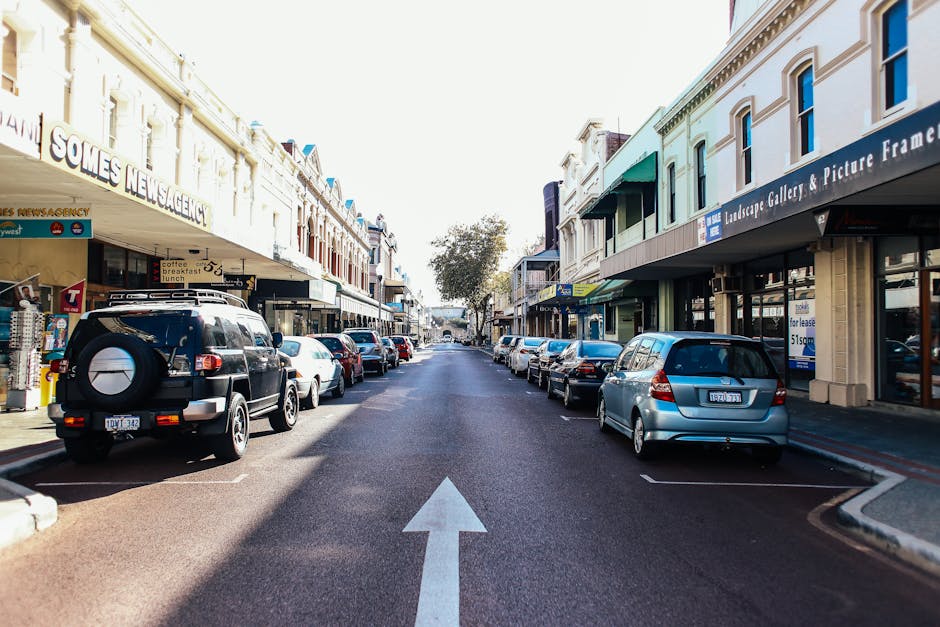
If you have ever watched a van edge slowly along a tight residential road and thought, "right, this is going to be interesting," you already understand the core problem behind narrow-street moves in Crook Log. The move itself may be straightforward, but access and parking can turn a simple handover into a long, awkward morning. Squeezed kerbs, parked cars, limited turning space, and a front door that seems to be just a little too far from the road - that is the real game here.
This guide breaks down how to plan around those pinch points without overcomplicating things. We will look at what matters, how access is usually managed, which parking fixes actually help, and where people most often go wrong. You will also find a practical checklist, a real-world example, and a clear FAQ section for the questions people tend to ask at the last minute. To be fair, that last-minute panic is usually avoidable.
Why Narrow-street moves in Crook Log: access and parking fixes Matters
Crook Log has plenty of typical London moving headaches: streets that can be busier than they look, cars parked close together, and corners that do not forgive poor planning. When access is tight, every extra metre matters. A van that cannot stop near the property means more carrying, more time, more fatigue, and more risk of damage.
That matters for houses, flats, student lets, and office moves alike. It matters even more if you are moving furniture, white goods, or anything awkward, because the distance from front door to van changes how the whole job feels. A narrow street can also create a domino effect: if the van is blocked, loading slows down; if loading slows down, the vehicle may overstay; if the vehicle overstays, parking friction turns into stress. Not ideal, obviously.
Good access and parking fixes are not just about convenience. They help protect your belongings, reduce disruption for neighbours, and keep the move structured. In our experience, the best local moves are usually not the ones with the fanciest van or the largest team. They are the ones where access was thought about early. If you want a broader sense of how a well-managed move should feel, this stress-free house move guide gives a useful bigger-picture view.
Expert summary: Narrow-street moving is mostly a planning job. The lifting is only one part; the real win is arranging a safe stopping point, a clear route from property to vehicle, and a realistic loading rhythm.
How Narrow-street moves in Crook Log: access and parking fixes Works
The process usually starts before moving day. Someone checks the street layout, the width of the road, nearby junctions, and whether a van can reasonably stop without causing a nuisance or creating a hazard. That first pass is simple, but it tells you a lot.
From there, the aim is to reduce the gap between the door and the loading point. Sometimes that means choosing a smaller vehicle. Sometimes it means arriving at a specific time of day, before the street fills up. Sometimes it means using one side of the road rather than another because the kerb line is more workable. And sometimes, frankly, it means accepting that the van will be parked a little further away and planning the labour accordingly.
There are a few moving parts:
- Vehicle size: a smaller removal van may fit where a larger one would struggle.
- Timing: off-peak arrival can make a huge difference on residential roads.
- Load sequencing: the most awkward items should usually be dealt with first while energy is highest.
- Neighbour awareness: a quick heads-up can reduce complaints and accidental obstruction.
- Back-up options: if the preferred spot is blocked, you need a second plan, not a shrug.
For more context on how local route planning can shape a move, it may help to read postcode-specific Crook Log moving advice and this note on best removal routes near Crook Log Recreation Ground. Those pages are useful because narrow streets rarely behave in the abstract; they behave like the streets they actually are.
Key Benefits and Practical Advantages
When access and parking are handled well, the benefits show up in small but meaningful ways. You notice them most in the first hour of the move, when everyone is still fresh and every delay is visible.
- Less carrying distance: fewer trips and less physical strain.
- Lower damage risk: shorter carry routes mean fewer corners, fewer scrapes, and less strain on bulky furniture.
- Faster loading: a van parked in the right place keeps the rhythm of the move steady.
- Better neighbour relations: people are less annoyed when the move looks organised and considerate.
- Cleaner cost control: delay often costs more than planning, even if planning feels like extra effort up front.
There is another benefit people do not always mention: calm. A move on a narrow street can feel like a performance if nobody has thought it through. Once there is a workable parking fix, the whole day tends to settle. You can hear the difference, honestly - less hurried shouting, fewer repeated instructions, less of that "where on earth do we put this?" energy.
If you are still deciding which kind of service suits your situation, it is worth comparing broader options such as man with a van support in Crook Log, man and van help, or a fuller house removals service in Crook Log. The right choice often comes down to how constrained the street is, not just how much stuff you own.
Who This Is For and When It Makes Sense
This approach makes sense for almost anyone moving on a road where parking is limited, access is awkward, or loading needs to be carefully controlled. It is especially relevant if your property has a narrow frontage, a shared drive with tight manoeuvring space, or a street where cars are parked from one end to the other by late morning.
Typical situations include:
- top-floor flats with a narrow stairwell and limited curb access
- family houses on compact residential roads
- student moves with multiple box loads and a tight deadline
- furniture relocations where sofas, beds, or wardrobes need careful handling
- office moves where equipment and desks must be moved without blocking neighbours
If your move includes heavy or specialist items, the access question matters even more. A piano, for example, is not something you just "carry a bit further" and hope for the best. The same goes for some large furniture or white goods. If that sounds familiar, it is worth understanding the handling side too, such as in piano removals in Crook Log or the practical advice in the expertise required for a successful piano move.
There are also times when this is a same-day issue rather than a long-planned one. For instance, if keys are delayed or a completion time shifts, you may need a quick access adjustment and a fast parking decision. In that kind of scenario, same day removals in Crook Log can be the more realistic route.
Step-by-Step Guidance
Here is a practical way to handle access and parking without making the move feel like guesswork.
- Walk the street in advance. Check the width, traffic flow, parked cars, bends, and whether the van could reasonably stop near the entrance.
- Measure the awkward bits. Doorways, stair turns, porches, and gate openings matter more than people think.
- List your largest items. Sofas, beds, wardrobes, fridges, washing machines, and any fragile specialist items should be identified early.
- Choose the vehicle size with the street in mind. A slightly smaller van is often easier to manage than a larger one that barely fits.
- Decide where the van will wait. A clear pickup point is better than improvising on the morning.
- Prepare a loading order. Put the first load near the exit and keep pathways clear.
- Protect communal or public areas. In flats or shared properties, be careful with entrances, hallways, and pavement space.
- Set a back-up plan. If the closest legal stopping point is taken, where is Plan B?
- Keep neighbours informed if needed. A brief notice can avoid small tensions that slow things down later.
- Review the final access on the day. Streets change constantly. What worked yesterday may not work at 8:30 a.m. today.
A quick note on packing: good access planning and smart packing go hand in hand. If your boxes are weak, overweight, or badly labelled, the best parking setup in the world will not save the move from becoming messy. The practical guidance in streamlined packing strategies for a successful house move and packing and boxes in Crook Log fits neatly alongside access planning.
Expert Tips for Better Results
Small adjustments can make a big difference on narrow streets. These are the things experienced movers tend to do almost automatically.
- Start with the hardest item. If the sofa or wardrobe is going to be awkward, get it out of the way while the team is fresh.
- Keep a clean landing zone. You want one clear space near the door for staging items, not a cluttered pile that turns into a trip hazard.
- Use soft protection at pinch points. Door frames and corners are often where the damage happens.
- Think in carries, not just boxes. A dozen small trips can be slower than a well-planned load sequence.
- Have someone manage the door. One person controlling movement in and out saves time and confusion.
- Plan for weather. A wet pavement, a gusty morning, or a cold January start can change the pace more than people expect. London mornings have a way of reminding you who is in charge.
If you are dealing with awkward furniture, it helps to be a bit ruthless. Dismantle what can be safely dismantled, wrap what should be protected, and do not keep "just one more thing" beside the front step. That one more thing is rarely just one thing, is it?
For bulky household items, it can also help to read Crook Log bulky item removals and disposal rules. Not everything should travel with you if it is old, unsafe, or simply not worth the effort of moving.
Common Mistakes to Avoid
Most narrow-street move problems are predictable. That is the frustrating part. But it also means they are avoidable.
- Assuming the van will just fit. Streets can look wider on foot than they are with mirrors and loading doors involved.
- Leaving parking until the morning of the move. By then, the best space may already be gone.
- Ignoring turning space. It is not enough for the van to stop; it also has to leave.
- Overpacking boxes. Heavy boxes slow everything down and make narrow stairwork much harder.
- Forgetting shared access rules. Flats, estates, and managed properties often need more care than a detached house on a quiet road.
- Not checking height restrictions or tree cover. A low branch or awkward overhang can be just as annoying as a parked car.
Another common slip: people focus only on where the van will stand and forget where the team will walk. A route with bins, bikes, planters, or loose steps can be more problematic than the road itself. It sounds obvious after the fact, but in the rush of moving day, obvious things get missed. Happens all the time.
For help avoiding the packing side of these mistakes, the guides on decluttering before moving and moving your bed and mattress safely are worth a look.
Tools, Resources and Recommendations
You do not need a huge toolkit, but the right basics make narrow-street work much smoother.
| Tool / resource | Why it helps | Best used for |
|---|---|---|
| Measuring tape | Checks door widths, stair turns, and the space available for larger items | Planning awkward furniture moves |
| Furniture blankets and wraps | Protects surfaces from scrapes during tight carries | Doorways, corners, and stairwells |
| Labelled boxes | Speeds up loading and unloading when space is limited | Quick staging and efficient room placement |
| Trolley or sack truck | Reduces strain for heavier items over short distances | Appliances and boxed loads |
| Parking back-up plan | Prevents delays if the first stopping point is taken | Busy residential streets |
| Property access notes | Captures stair counts, entry codes, and access restrictions | Flats and shared buildings |
It also helps to choose the right service mix. For a compact move, man and van in Crook Log can be a practical fit. For larger loads, furniture removals in Crook Log may be the better answer. If storage is needed between dates, storage in Crook can reduce pressure and prevent rushed parking decisions on the day.
For a deeper sense of how moving support is structured, the services overview and removal services in Crook Log can help you compare what is actually available. And if you are trying to keep the budget under control, it is sensible to review pricing and quotes before you decide.
Law, Compliance, Standards, or Best Practice
With narrow-street moves, compliance is mostly about being sensible, considerate, and safe. In the UK, local parking arrangements, yellow lines, resident restrictions, dropped kerbs, and estate rules can all affect what is allowed. The exact rules depend on the street, the borough, and the property type, so it is wise not to assume one area behaves like another.
The safest approach is to check access in advance, avoid blocking driveways or junctions, and keep pathways open wherever possible. If a loading bay, permit area, or shared forecourt is involved, make sure the arrangement is understood before moving day. For flats and managed buildings, building rules can be just as important as street rules.
From a safety perspective, good manual handling is essential. Heavy lifting should be done with the right technique, appropriate team numbers, and sensible load limits. If you want a plain-English explanation of that side of moving, this guide to lifting and force is a helpful read. It may sound technical, but the basics are simple: keep loads balanced, avoid twisting, and do not rush the awkward bits.
Insurance, too, deserves attention. If access is tight and items are more likely to brush walls or doorframes, you want to know how cover and handling expectations work. The page on insurance and safety is a sensible place to check the broader approach. It is also wise to be clear on the practical terms of service, so the terms and conditions matter more than people sometimes admit.
If you care about disposal and sustainability, there is a neat crossover here: planning a narrow-street move well can reduce unnecessary trips, wasted packaging, and last-minute dumping. That aligns naturally with recycling and sustainability and with simple decluttering before the move. Nothing glamorous. Just better practice.
Options, Methods, or Comparison Table
There is no single best way to solve a narrow-street move. The right method depends on the street, the volume, and the type of property. Here is a practical comparison.
| Method | Best for | Pros | Trade-offs |
|---|---|---|---|
| Small van close to property | Compact loads and tight roads | Short carrying distance, easier positioning | May require more trips if the load is large |
| Larger van parked further away | Big loads where access is limited | More capacity in one trip | Longer carry distance, slower loading |
| Split-load approach | Moves with mixed item sizes | Flexible and practical | Needs good organisation, not ideal for rushed jobs |
| Timed arrival before street fills up | Busy residential areas | Improves parking chance | Requires punctuality and a decent back-up plan |
| Storage first, move later | Unclear completion dates or staggered access | Reduces pressure on moving day | Extra handling and one more stop to manage |
For some households, the smartest answer is not "how do we make the van fit?" but "how do we reduce what needs moving today?" That could mean storage, a staged move, or even a same-day solution if timing is awkward. If you are in that bracket, same day removals in Crook Log and what to expect from emergency moves may be useful references.
Case Study or Real-World Example
Picture a typical Crook Log move: a first-floor flat, a narrow residential street, and cars already lining both sides by mid-morning. The residents have a sofa, a bed frame, several boxes, and a fridge freezer to move. Nothing outrageous, but enough to make parking the main issue.
Instead of sending a large vehicle and hoping for the best, the move is planned around a smaller van and an early arrival. The team checks the road first, identifies a legal stopping point, and keeps the walk from the flat to the van as direct as possible. A neighbour moves a car overnight, which quietly solves half the problem. The sofa is wrapped before it leaves the property, and the bed is dismantled in advance so the stairwell stays usable. Simple, but effective.
The result? Fewer pauses, less shuffling around, and no awkward standoff in the street. The fridge freezer is loaded last after the route is clear, and everyone gets finished before the afternoon traffic makes the road busier. Not dramatic. Just well handled.
If a move like that involves appliances, the step-by-step article on getting a fridge freezer set up can be a good follow-on, while move-out cleaning tips help with the handover side of the job.
Practical Checklist
Use this before moving day. It is the kind of list that looks basic until you need it.
- Confirm the street layout and where a van can safely stop
- Check for resident parking, yellow lines, or access restrictions
- Measure large furniture and awkward doorways
- Decide whether a small van, large van, or split load makes sense
- Keep pathways, steps, and entrances clear
- Notify neighbours or building management if needed
- Prepare protection for corners, floors, and doorframes
- Label boxes by room and priority
- Have a plan for rain, traffic, or a blocked parking space
- Set aside documents, keys, chargers, and essential items separately
- Check whether storage is needed before or after the move
- Confirm insurance and handling expectations in advance
A small human tip: pack a kettle box. People laugh until tea becomes the only thing holding the morning together.
If you are still comparing route options or move styles, the local pages on moving Crook Log street by street and the Bexleyheath High Street to Crook Log guide can help you think through the journey rather than just the loading point.
Conclusion
Narrow-street moves in Crook Log are rarely about brute force. They are about making a few good decisions early: the right vehicle, the right timing, the right loading plan, and a realistic parking fix if the street is tight. Once those pieces are in place, the rest of the day becomes much easier to manage.
What people usually want most is not perfection. They want the move to feel controlled, fair, and free of avoidable chaos. That is achievable. A little preparation, a bit of local awareness, and one proper plan B can save hours of stress. And honestly, that is usually enough.
If your move involves awkward access, bulky furniture, or a street where parking is always a bit of a puzzle, take the planning seriously before moving day arrives. It will pay you back in calm, speed, and fewer surprises.
Get a free quote today and see how much you can save.
Frequently Asked Questions
How do I know if my Crook Log street is too narrow for a removal van?
If two-way traffic already feels tight, parked cars leave little room for passing, or turning around would be difficult, the street is likely a challenge for a larger van. A pre-move check is the safest way to judge it.
What is the best parking fix for a narrow-street move?
Usually it is a combination of early arrival, a vehicle size that suits the road, and a back-up stopping point in case the first space is occupied. There is no one magic answer, annoyingly.
Should I reserve a parking space for moving day?
If the street is especially tight and parking is competitive, it can help to plan ahead. The exact approach depends on local rules and the property layout, so it is better to confirm practical arrangements before the day rather than improvising.
Is a smaller van better for Crook Log narrow streets?
Often, yes. A smaller vehicle can be easier to position and may reduce the chance of blocking traffic. The trade-off is that you may need more trips if the load is large.
What should I do if another car blocks the planned loading spot?
Have a fallback plan. That might mean a second legal stopping point nearby, a slight change in timing, or a different unloading sequence. The important thing is not to stall while everyone stands around looking at the car.
Do flats need different access planning from houses?
Yes. Flats usually involve shared entrances, stairwells, corridors, and sometimes tighter rules about where a van can stop. That extra layer makes planning more important, not less.
How far can items be carried from the van safely?
There is no universal distance. It depends on the item, the weight, the weather, and the route. Shorter is better, but a slightly longer carry is manageable if the path is clear and the team is prepared.
What items are hardest to move on a narrow street?
Large sofas, bed frames, wardrobes, piano items, and heavy appliances tend to be the most awkward. They need more handling space and make parking decisions more sensitive.
Can I combine access planning with storage if my dates are uncertain?
Yes, and sometimes that is the smartest route. Storing part of the load can reduce pressure on the moving day and make parking and loading much easier to manage.
How early should I plan access for a narrow-street move?
As early as you can. Even a quick street check a few days before can reveal problems that are invisible in the booking stage. Leaving it to the morning is where trouble starts.
What is the most common mistake people make with parking on moving day?
Assuming the nearest space will be free and suitable. It sounds small, but that assumption causes delays more often than any packing issue.
Can a removal team help with both access planning and lifting?
Yes, a good team should help assess access, advise on vehicle positioning, and manage lifting safely. That combination is especially useful on narrow streets where the move needs both judgement and muscle.
For more help with the broader move, you can also look at removals in Crook Log, removal companies in Crook Log, and about us if you want to understand the people behind the service. Whatever route you choose, a well-planned move has a quiet sort of confidence to it - and that feeling is worth aiming for.